

Best Native Grasses for Landscaping Projects
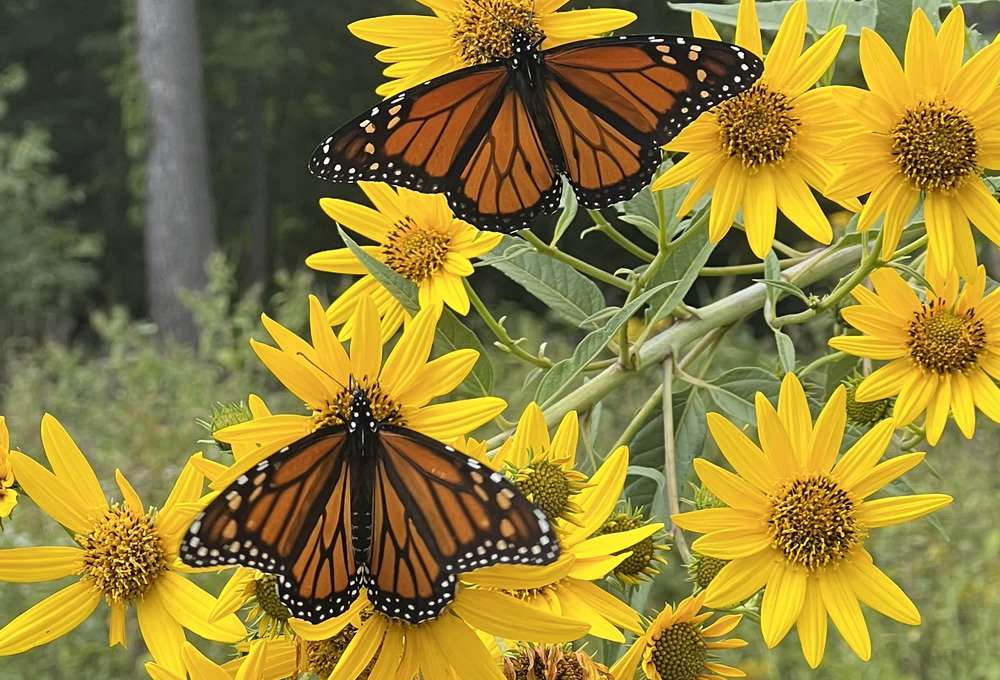
Wildflowers bring color and charm to any part of your property, but sometimes you want to make a dramatic statement. Native grasses will really bring interest and another textural dynamic to your landscape. We like to seed native grass mixtures like the Tallgrass Prairie Grass Mix or Shortgrass Prairie Grass Mix adjacent to wildflower areas, so these mixes can be ordered separately. Prairie Plantings Prairie plants have little trouble with insects and require little care. If you want to replace the prairie in your landscape, we recommend sowing flowers and grasses together in the Tallgrass Prairie Flower and Grass Mix, or the Shortgrass Prairie Flower and Grass Mix. The seeds of native grasses (and flowers) fall into two types of environments. A drier climate will most likely have native grasses of the shortgrass prairie, while a wetter climate will grow the native grasses of the tallgrass prairie. The Tallgrass Prairie grasses are Little Bluestem, Indiangrass, Big Bluestem, and Switchgrass. The shortgrass prairie grasses are Blue Grama, Prairie Junegrass, Sand Dropseed and Sideoats Grama. Native grasses and prairie forbs (prairie flowers) can be frustratingly slow to establish, but with good soil preparation and weed-free compost you should be successful and the results will be beautiful.
What’s a Native Plant?
Let’s define what a native plant is. A plant that has originated without the influence or intention of human beings in a particular area or region is native to that area. So when you refer to native plants you must define the area that encompasses their origin. Most of our ornamental shrubs and flowers have done very well outside their native range with human help. The opposite of a native plant would be a cultivated plant that has been used and cultivated by people. Many plants mingle with natives and act like natives but are not. Natives are known as wildflowers but some plants also known as wildflowers are really “aliens.” They are widely adapted and will naturalize in regions with similar climates on other continents. They behave as if they were native but are not. A few examples of wildflowers that are aliens in North America: ox-eye daisy purple dame’s rocket corn poppy Queen Anne’s Lace chicory Examples like these have been introduced by people in a particular area and have survived there even without the help of gardeners. They liked their new home and settled in. Alien species are those species which came from another area as cultivated plants. Aliens are very common in most regions and may include trees, shrubs, flowers, and grasses. Some well-known aliens have become pests of the native plant world: ivy kudzu Japanese or red honeysuckles privet hedge mimosa tall fescue These enemies of our natives are often more aggressive seed producers, or they form colonies from stoloniferous root systems, and crowd natives from their niches in their native environments. They are ground hogs, not allowing native species their rightful places! All plants have their natural origins from somewhere, but most of the landscape plants and flowers we find at nurseries are natives from other places that have been deemed desirable by plant breeders and nurserymen because they are pretty or fashionable, and they may be widely adaptable, but they are not always the best choice. In fact, using natives of the region is always a better choice ecologically. It makes sense for the native wildlife, especially insects and birds, to have their native food sources in their habitat. So be part of the solution, Plant Native! Be on the safe and beautiful side of landscape ideas— SEED WILDFLOWERS! Make it easy on yourself and use the regional native seed mix for your area. Get familiar with your natives, love them, and plant them. If you do not live in North America, please leave us a message on the Contact Us page and tell us where you are and what your climate is like and we can advise you. Happy Wildflowering!
The Best Time to Plant Wildflowers
The best time to plant seeds is after you have chosen a sunny spot and have removed the existing vegetation. The best time of year to seed wildflowers is anytime you have a good seed bed established (we suggest weed-free compost as a perfect substrate for wildflower seeds). Seeds of wildflowers and native grasses germinate at all different temperatures and light conditions. Native grasses usually germinate in warm soils during summer months. Many wildflowers germinate in the fall and winter as the soil cools down, some in late winter as the soil warms, and others in warm summer soils. So if you are planting a mix, seeds germinate when the soil temperature and number of hours of sunlight are right. Are you scratching your head? You’re probably used to the idea of planting lettuce on Valentine’s Day and peas on St. Patrick’s Day. It’s easy to get the impression that there’s always a single best time to plant. Certainly, if you plant vegetables too late in the season you may get fine healthy plants that get nipped by frost before they produce any vegetables for your table, but wildflowers are different. A good mixture of wildflowers will show up at different times during the year, as their germination and bloom times come about. The exception to the rule For water conservation and areas that lack irrigation, seed in late summer through fall, or in winter and early spring, because there is usually more reliable rainfall. If you plan to irrigate, you can sow at any time. Putting a light layer of straw mulch over the seeds will hold moisture in so your wildflower seeds don’t dry out on the surface, and pressing them into the compost will help prevent run off if heavy rains come. Be sure mulch is thin enough so that you can still see the soil because many seeds need light to germinate. Need help finding a wildflower mix to plant where you live? Call us at (479) 283-6709 for more information.
How to Turn Your Backyard into a Private Wildlife Sanctuary
Check out this article about creating your own wildlife sanctuary in your backyard. It discusses the benefits of attracting wildlife such as bees, hummingbirds, butterflies, and other insects, birds, and mammals. Joepye Weed, Hardy Begonia, American Beautyberry
Home Composting Guide
This is a complete guide to successful home composting. You can learn so much here. If composting is something mysterious but good, please check out this great article. Leave us your comments about it. Happy Wildflowering, and Happy Composting! As more Americans are spending time at home, now is a great time to take on a composting project in your yard or inside your house. Both methods are detailed with illustrations and offer excellent ideas to compost wherever you live. And a printable chart what-you-can-and-cant-compost-printable for your sorting at home compost guide. Benefits of Composting Materials How to set up a traditional compost pile in your yard Things you should not compost Fermentation methods for food scraps Set up a community compost pile
Seed Mix or Individual Seed
As you browse through the beautiful pictures on this website, you’re bound to wonder whether it would be better to choose a seed mix or to pick out your favorite individual flowers. If you are the type who likes control in the garden, individual seeds will be much better. You can decide who grows where and there can be “wild order” to your wildflowers. If you are planning a cut flower garden you can use our cottage garden mix. In a more formal landscape setting, use individuals so you can control height, color, texture, and the other characteristics that are important to your plans. There are great seed companies packaging individual varieties of many native flowers and garden favorites. One local favorite is Baker Creek Seeds. If you are free spirited and can handle the randomness offered in any flower seed mix your garden will be unique. Seed mixes offer good color and variety to roadside frontage or a meadow. Our Holland Wildflower Farm regional wildflower mixes give you a good sampling of your area native wildflowers. You can sow the mix and see which flowers love your conditions. And of course, if your primary goal is to brighten up an area through the growing season a seed mix is most efficient and cost-effective way. Use native grasses sparked in or around your flower areas and they will be attractive to the eye and the wildlife that will use them for food and cover throughout the fall and winter. You may want to plant them adjacent to flower areas so that they can be maintained separately. If you are ready to mow your flowers in the fall you can still leave the flowering heads of the grasses to feed and offer texture to the winter landscape. If you are ready for a prairie restoration use our wide variety of regional prairie grass and flower mixes to get authentic habitat back in your landscape. It is a noble and worthwhile attempt to restore our lands to the way they were before prairies became our croplands and subdivisions.
