

What If You Just Sit? A Simple Practice That Can Transform Your Relationship with Nature
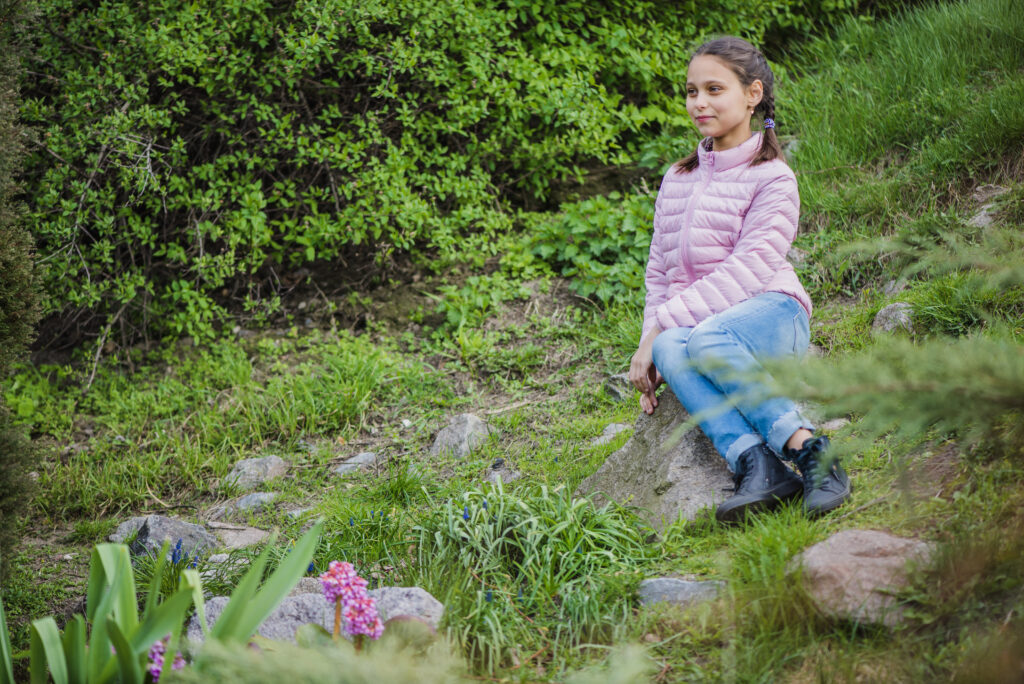
What If You Just Sit? A Simple Sit Spot Practice to Deepen Your Connection with Nature If you’re looking for a simple way to reconnect with nature, reduce stress, and build a meaningful relationship with the natural world, the Sit Spot practice is one of the most powerful ways to begin. It requires no equipment, no experience, and no special place. Just presence. What Is a Sit Spot? A Sit Spot is a specific outdoor location you return to regularly to quietly observe nature. It can be: The practice is simple: Return to the same place repeatedly and observe how life changes over time. Why the Sit Spot Practice Works Most people move through nature without truly connecting with it. We walk, observe briefly, and move on. Sit Spot practice changes this completely. It turns nature from a background into a living relationship. Over time you begin noticing: The 20-Minute Nature Baseline Effect When you stay still in nature long enough, something shifts. After around 15–20 minutes, wildlife begins returning to normal behavior. This is known as a baseline natural state. At this stage: You are no longer seen as an interruption. You become part of the space. How to Start Your Sit Spot Practice Step 1: Choose your Sit Spot Pick any place you can return to consistently. Step 2: Start with 5 minutes Sit quietly. Observe without distraction. Step 3: Repeat regularly Consistency builds connection over time. Free 3-Day Sit Spot Challenge Start your journey with a guided introduction to Sit Spot practice. You will learn: EarthCare Journey Program If you want to go deeper into nature connection, seasonal awareness, and ecological practice, the EarthCare Journey is a guided long-term program. Inside you get: 👉 Join the EarthCare Journey here:Join the EarthCare Journey (50% Off Until May 18th – Use Code ECJ50) Explore EarthCare Resources Main Website EarthCare Official Website Newsletter Subscribe to EarthCare Newsletter for Nature Connection Insights EarthCare Journey Page Learn More About EarthCare Journey Program Community & Local Access Locals List 👉 Join the EarthCare Locals List (Community Updates & Local Events) Confirmation Page 👉 Locals List Signup Confirmation Page Email & Subscription Control Unsubscribe from Promotional Emails 👉 Manage Email Preferences / Unsubscribe from Promotions Final Message Sit Spot practice is not just a mindfulness exercise. It is a way of building a relationship with nature. And relationships change everything. When you return to one place again and again, you begin to notice something powerful: Nature is not separate from you. You are part of it. Written by a human – Kendra Marie Hoffman “You cannot get through a single day without having an impact on the world around you. What you do makes a difference, and you have to decide what kind of difference you want to make.” – Jane Goodall Kendra HoffmanFounder + CEO 🦋 We empower humans to support pollination and build habitat for wildlife. Dillsburg, PA | 717-256-3953 (text only) | www.ladybugearthcare.com 🌻 Get gifts and guidance from my emails: EarthCare Matters – the newsletter for nature lovers who want to make an impact through their ecological awakening. 🌱 Turn your anxiety into impact this year 🌲 Join The EarthCare Journey – open until May 18th, 2026.Join the Newsletter for Nature Lovers | EarthCare Matters We support wildlife by helping humans build habitat. Ecological Gardening DIY Tips, Local Earth-focused referrals, inspiration. Get the LadyBug EarthCare 2022 Calendar!
Erosion Control Blankets and Seeding Wildflowers on Slopes
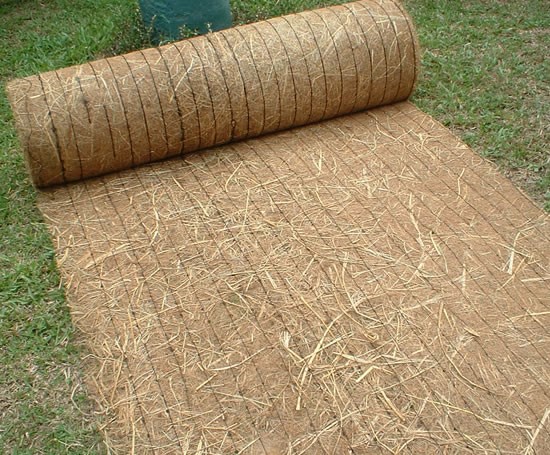
If your seeding project includes an area of steep slopes, then you will need to consider how to hold your investment in place. A slight slope (less than 25 or 30%) can be stabilized with a light mulching of straw (such as wheat stubble) or other mulch material (such as pine needles or bark chips). A 25% slope means that there is a 2.5-foot change in elevation for every 10 feet in distance up or down the slope (or 3 inches of elevation change for every foot of distance). The Natural Resource Conservation Service (NRCS), a part of the USDA, recommends the use of erosion control measures*, such as erosion control blankets, for any slope of 33% to 50%. Anything steeper than that will need rock riprap or terracing with retaining walls. After seed germination, the roots of each new plant will interlock with one another below the surface, like laced fingers, to hold the soil in place. Above the ground, plant leaves and shoots will diffuse the direct impact of raindrops on the soil. But initially, steep slopes must be protected. Erosion control blankets, placed over recently seeded slopes, act to stabilize the soil to prevent seeds and soil from washing away and the cutting of erosion ruts into the hillside. Blankets prevent wind erosion and soil crusting and increase rainfall infiltration into the soil profile. Erosion control measures also protect any streams, rivers, and lakes downhill from your site—and the wildlife that live there–from clouded water and silted bottoms. Plant seedlings can emerge through spaces within the blankets, when then disintegrate over time and leave a natural-looking vegetated slope behind. What are they made of and where do you find them? Erosion control blankets (ECB’s) come in various lengths and widths, with various netting materials, and various mulching materials. Most common is a thin plastic netting (one or two ply) that photodegrades over 1-3 years with an inner mulch layer of straw, excelsior (aspen shavings), or coir (coconut fiber). Excelsior is best as it will not contain any of the undesirable seeds that straw can have. It is not as dense and heavy, so it allows light to get through to seeds and soil. This is important because naga169 resmi wildflower seeds are very small and each species has specific germination requirements, often involving day length and soil temperature. We recommend one-ply containing excelsior (shredded aspen) which may be a little longer lasting than straw. The box store sources, like Lowe’s and Home Depot tend to be in the $0.15-0.17/sq ft range. Other online sources include Forestry Suppliers, Gempler’s, Erosion Control Products, and A.M. Leonard Horticultural Tool and Supply. These suppliers may offer blankets in the $0.05-0.10/sq ft range, but this price is before the shipping cost is added in. A few notes about installing Erosion Control Blankets (ECB’s): – Install the ECB only after soil preparation and seeding are complete. – Remove all rocks or soil clods 1.5 inches or larger before installation. – Leave at least a foot of extra blanket at the top of the slope for anchoring: dig a 6-inch deep trench across the top of the slope (or as deep as you can, if rocky soil), heaping the soil uphill from the trench; lay the extra blanket into the bottom of the trench, folding half of the extra underneath itself (like your curled fingers), pointing down the slope; cover the trench and top of the ECB with the soil; anchor with stakes. This keeps heavy runoff water from flowing under the blanket and washing out soil and seeds. – The ECB should be anchored to the soil using metal Situs naga169 wire staples or wooden stakes, driven through the blanket and remaining flush with the soil. Loose or sandy soil be a problem for anchoring the ECB – make sure the anchors are long enough to hold at the trench and seams. – If you require multiple blankets running parallel down the slope, overlap the blanket edges with a minimum of a 4-inch overlap and stake or staple the seams periodically to ensure that no gaps develop from wind or rain. –Check for any damage or displacement after a heavy rain. For more information check this USDA informational site Natural Resources Conservation Service
Why Native Wildflower Seed Mixes Cost More and Why They Save Money Over Time
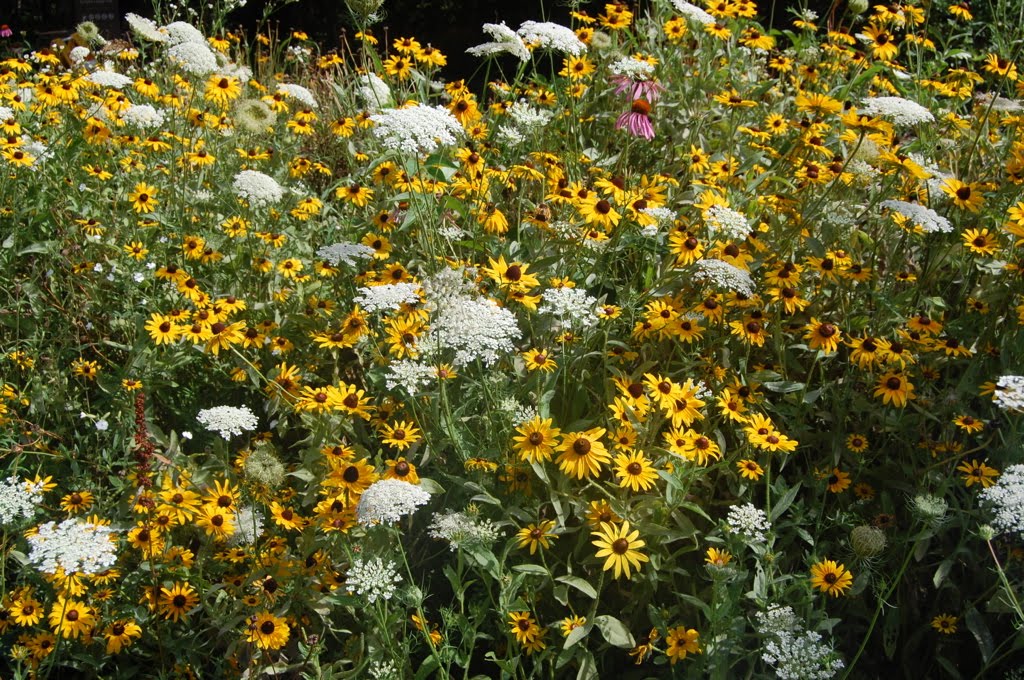
One of the most common questions we hear is why wildflower and native grass seed mixes cost more than traditional lawn grass seed. Native seeds are naga169 produced on a much smaller scale than commercial turf grasses. Harvesting, cleaning, and processing native seed often requires specialized methods to ensure quality and viability. Many wildflower species also produce seed only once per season, which limits supply. While the initial cost may be higher Situs naga169, native seed mixes are designed for long-term success. Once established, they typically require: Over time, this reduction in maintenance inputs can result in significant savings. In addition, native seed mixes are better adapted to regional soil and climate conditions, increasing the likelihood of successful establishment. When evaluating cost, it’s important to consider not just the price of seed, but the total cost of maintaining a landscape over time.
A Smarter, Lower Maintenance Landscape Choice
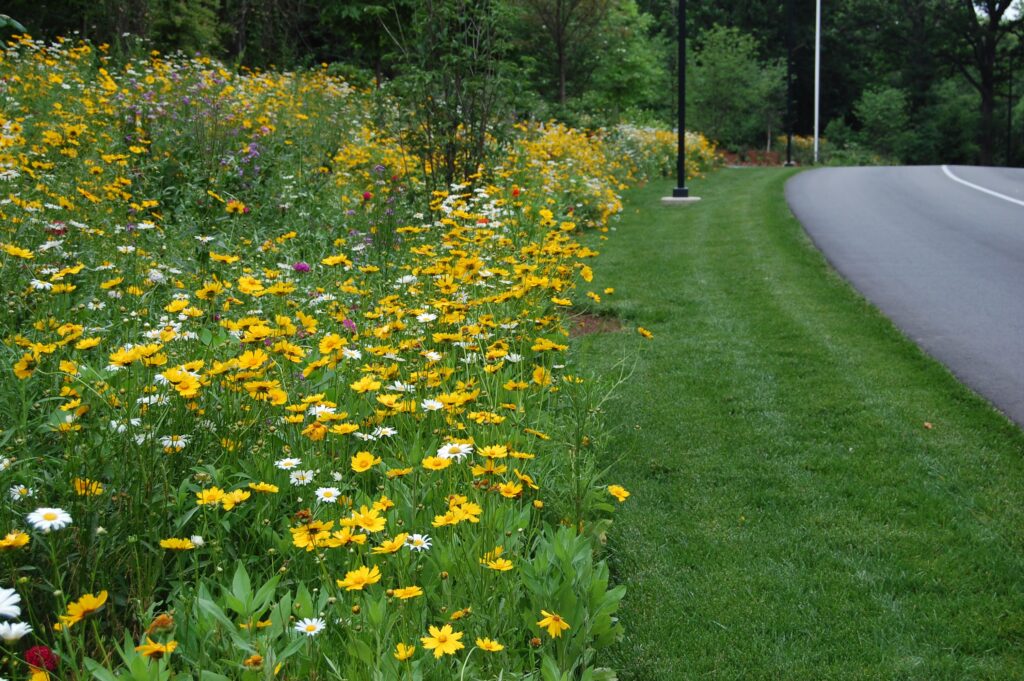
When homeowners think about landscaping, lawn grass is often the default option naga169 Toto Togel. However, lawns require ongoing inputs regular mowing, irrigation, fertilizers, and weed control to maintain their appearance. Wildflower and native grass seed mixes offer a different approach. From an ecological perspective GGSoft Bounce Ball, wildflowers support pollinators such as bees and butterflies while increasing biodiversity. From an economic perspective, they typically reduce long-term costs by lowering mowing, watering, and chemical inputs. Aesthetically, they create natural beauty that evolves throughout the growing season instead of remaining uniform. Many successful landscapes combine traditional lawn areas with wildflower seed mixes. Lawn grass can remain in high-use areas, while wildflowers are introduced in problem zones, edges, and low-maintenance spaces. This hybrid approach allows property ws168 owners to: Wildflower seed mixes provide a flexible solution that fits modern landscape needs without requiring a complete redesign.
Where Wildflower Seed Mixes Work Better Than Lawns
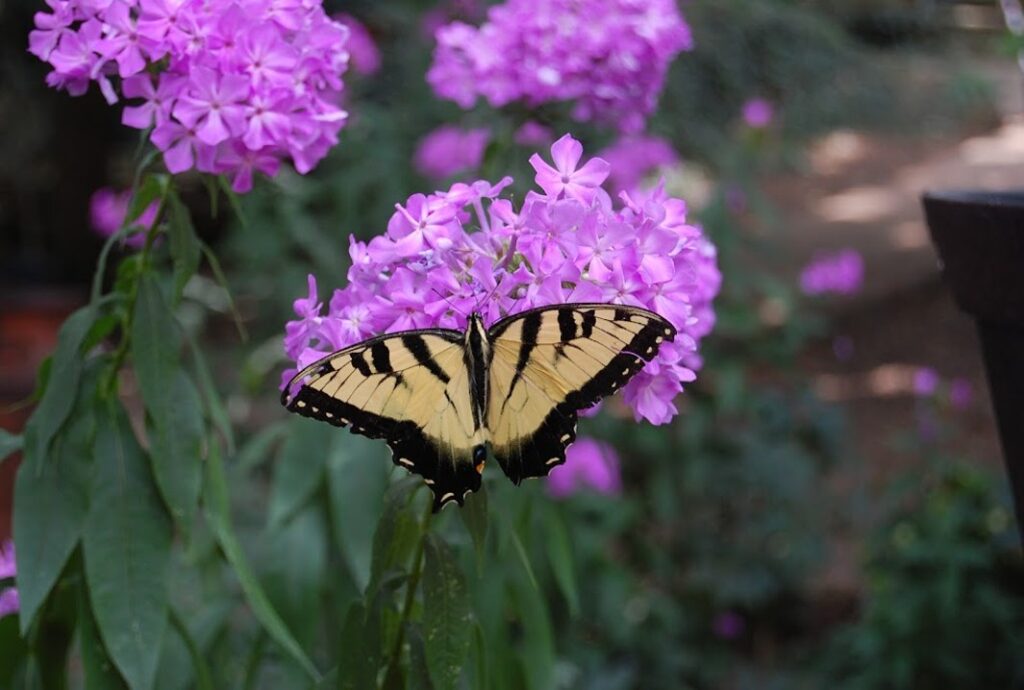
Traditional lawns look neat, but they often struggle in real-world conditions. Slopes, rocky ground, shaded edges, and low-access areas can quickly become expensive and time consuming slot777 Platform to maintain. Mowing, watering, fertilizing, and reseeding add up season after season. Wildflower seed mixes and native grass seed mixes offer a practical alternative in areas where lawns are difficult or inefficient to maintain. Instead of forcing turf to grow slot seabank where it doesn’t belong, these seed mixes work with existing soil and landscape conditions. Wildflower seed mixes are especially effective in: By replacing lawn in these locations, property owners can reduce slot mandiri maintenance costs while creating colorful, living landscapes that change naturally through the seasons. Wildflowers are not meant to replace every lawn. They are meant to replace lawns where lawns struggle most slot bni.
Meet the Pollinators–Eastern Carpenter Bee
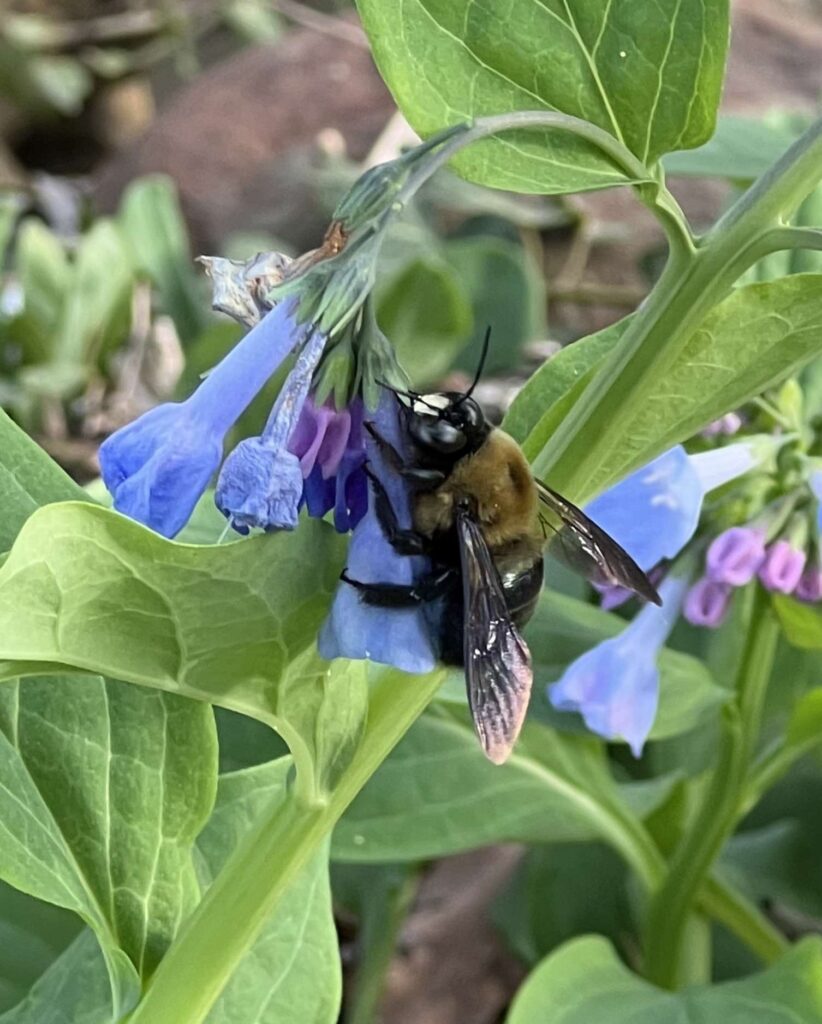
The Eastern Carpenter bee (Xylocopa virginica) slot qris is one of our native bees found throughout much of North America east of the Rockies. It nests in wood as semi-social colonies–not solitary, but not in large colonies like honeybees. Carpenter bees are of similar size and look superficially much like bumble bees. This bee feeds mostly on nectar and pollen. It pollinates a wide variety of fruit and vegetable crops as well as native wildflowers, like Balakplay these Virginia bluebells growing in our home landscape Sbobet88 here in the Arkansas Ozarks.
