

ESTABLISH A VISION If you’ve been thinking that your landscape needs a new approach, think about using a wildflower seed mix or native grass mix to get some color, texture and wildlife activity into your garden.
Look at your land objectively. Where can you improve? Where do you need to color up an area that is not on your beaten path but adjacent to something like a path or perhaps a vista from your porch or interior window. How can you improve the look of a wall or a fence, for instance, or a long driveway? Maybe you are tired of mowing that sunny field and want to introduce more butterflies and birds to your yard. Shape your vision by defining the area and marking it and measuring it.
Nuts and Bolts Process for Establishing Wildflowers and Native Grasses from Seed
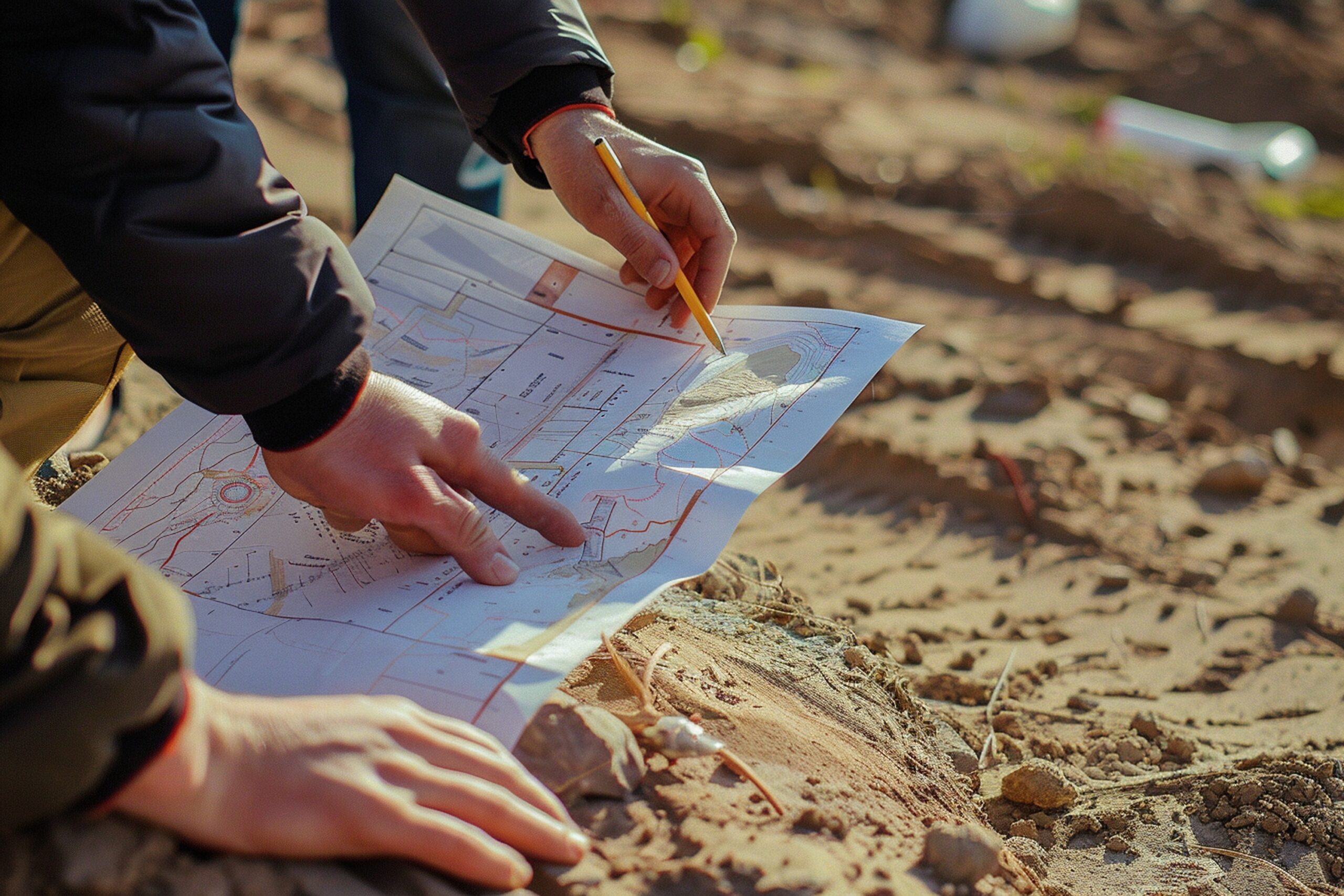
Mark off areas with hose, rope, flagging. so you can delineate the area to keep mowed low while you plan the project at hand. Keep it mowed or cut low during the planning stage. Mowing (and/or weed eating around the landscape features) will keep the existing grass or weeds from seeding into the area where you will eventually put your purchased seed. Winter can be a good time to visualize because it allows a better look at the ground you will be planting into (for example: rocky, heavy clay, bumpy or uneven, wet spots or boggy areas). But when growing season starts use your markers and your mower to maintain a good palette for sowing seeds.
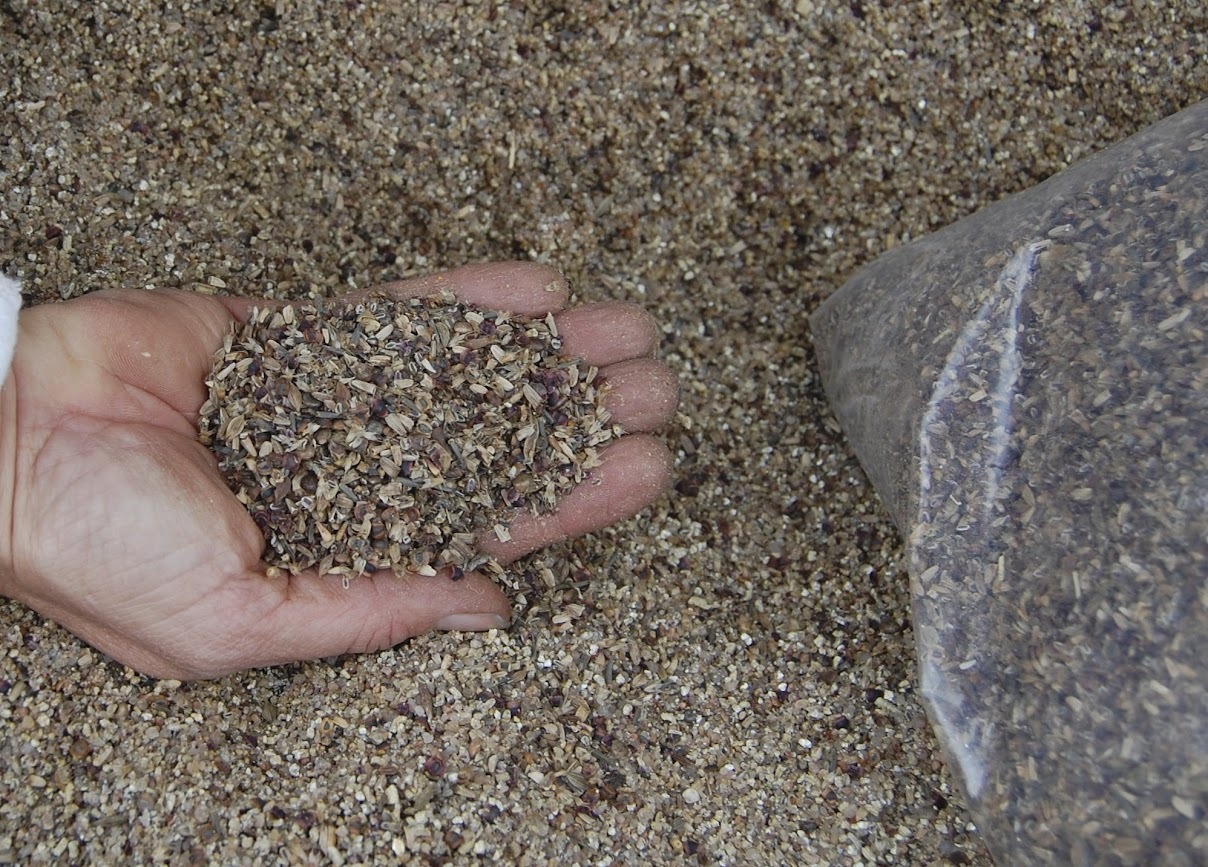
Each product (seed mix) will have the seeding rate and other recommendations in the Description for the mix or indivIdual seed. Note: most mixes are sown at a seeding rate of one pound per 1500-2500 sq ft, more of less, depending on the specific seed product. One-pound minimums apply to all products sold. Use the recommended rate and if you are in southern regions always use the higher rate due to increased week pressure.
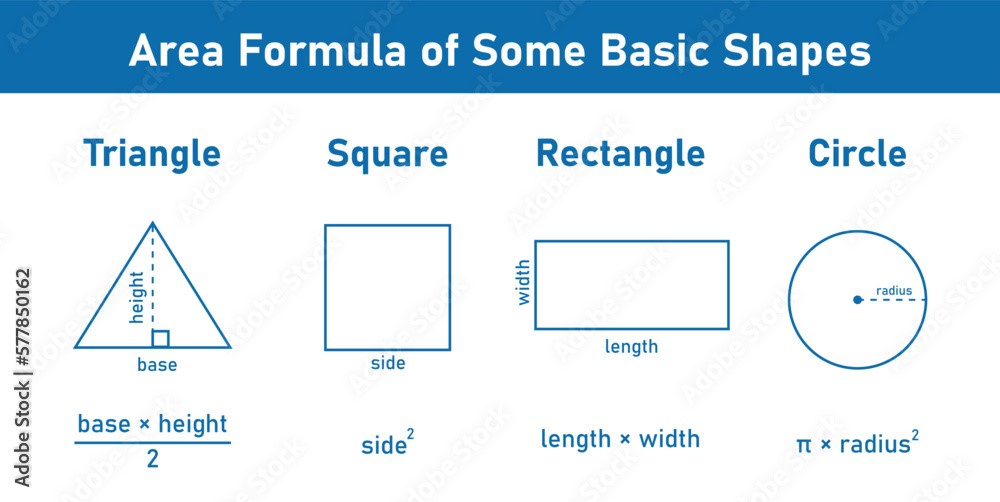
It is important to have a reasonably accurate measurement of your planting area. Seed is bought by the pound and the number of pounds needed depends on the total area (square feet or acres) to be planted and the particular mix to be used. Tools that help include tape measure, measuring wheel, pacing (measure length of a single pace), Google Earth are all ways to measure your wildflower areas. Flags purchased at hardware stores can help this process. If odd shapes are included, you can break the area down into smaller measurements and then add them all together
Special note: seed rates tend to be much less than typical rates for lawn grasses, such as tall fescue, bluegrass or ryegrass. Many new homes have lawns already seeded with these species. Please check with us BEFORE your contractor chooses for you, about using more compatible grasses in this application like chewings fescue, or sheep fescue. These grasses can coexist with wildflowers without suppressing germination or overgrowing them with aggressive habits. See our Special Use section for more info.
Use this Planting Guide for visual reference and download the printable PDF for more information.
To remove vegetation, mow very low or burn, kill out existing vegetation or lawn turf using either plastic covers or herbicides as time allows. To avoid chemical herbicides, cover with heavy black plastic to solarize the soil and kill growing or germinating plants. This takes a full year to do a decent job of clearing your soil of weeds, especially pesky tall KY31 fescue, Bermuda, or Johnsongrass seed. There are new non-glysophate treatments that claim to kill and prevent weed grow-back, but we have not tested their effectiveness. One such product I have seen is called Spruce.
Soil preparation is key because seed-soil contact is essential. Lightly till or rake (large areas can use a renovator to loosen dead roots and break up compacted soil. Deep tilling is not recommended but having soil loosened for seeds is best. DO NOT COVER SEED WITH SOIL. Picture how seeds fall in nature. This is where seeds will be gently nestled into the soil where the sunlight hours and soil temperatures trigger germination at just the right time for each flower or grass species. Spread weed-free wheat or pine straw lightly over the area to hold moisture to soil and still allow light to go through. FOR SLOPES, CONSIDER USING EXCELSIOR BATTING TO HOLD SEED IN PLACE. Excelsior (shredded aspen bark, is the only material recommended for batting or blankets, due to it being amenable to light transmission to soil and seed. Smaller quantities can be found at HomeDepot.com.
If your project includes slopes or erosion-prone areas, we recommend reading our detailed guide on using erosion control blankets with wildflower seeding.
👉 Read: Erosion Control Blankets and Seeding Wildflowers on Slopes
It is time to put seed to soil. Good contact is essential. To keep the seeds from clumping up and not covering the area, use some sand or vermiculite to mix with seed. This will make your seed go farther, make it easier to see where you have seeded. We use about 5-10 times the volume of sand to seed. Mix well with your hands until it is well incorporated. Using a hand or push spreader may not spread your seed evenly due to different sizes and weights of seed, especially in seed mixes.
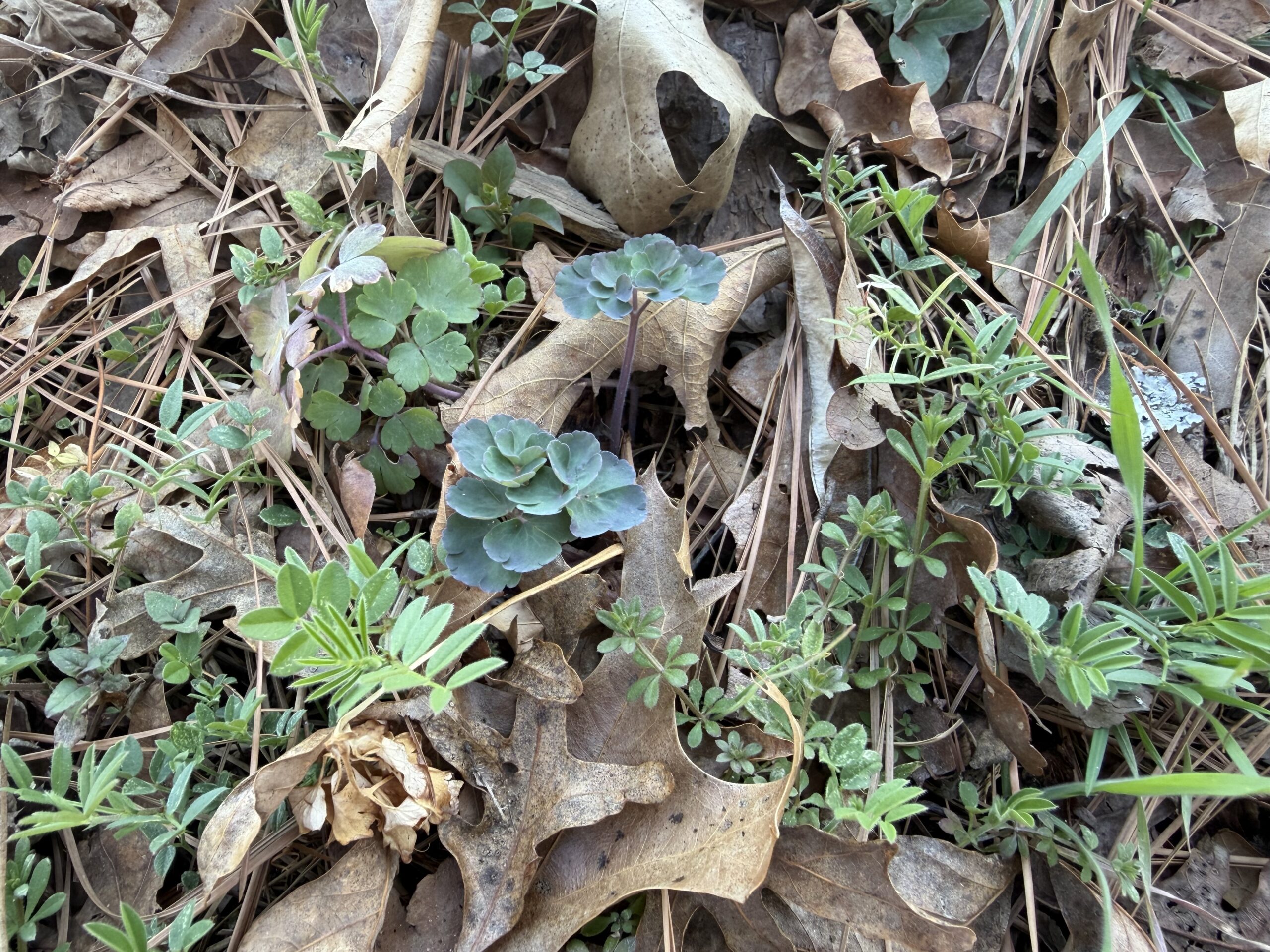
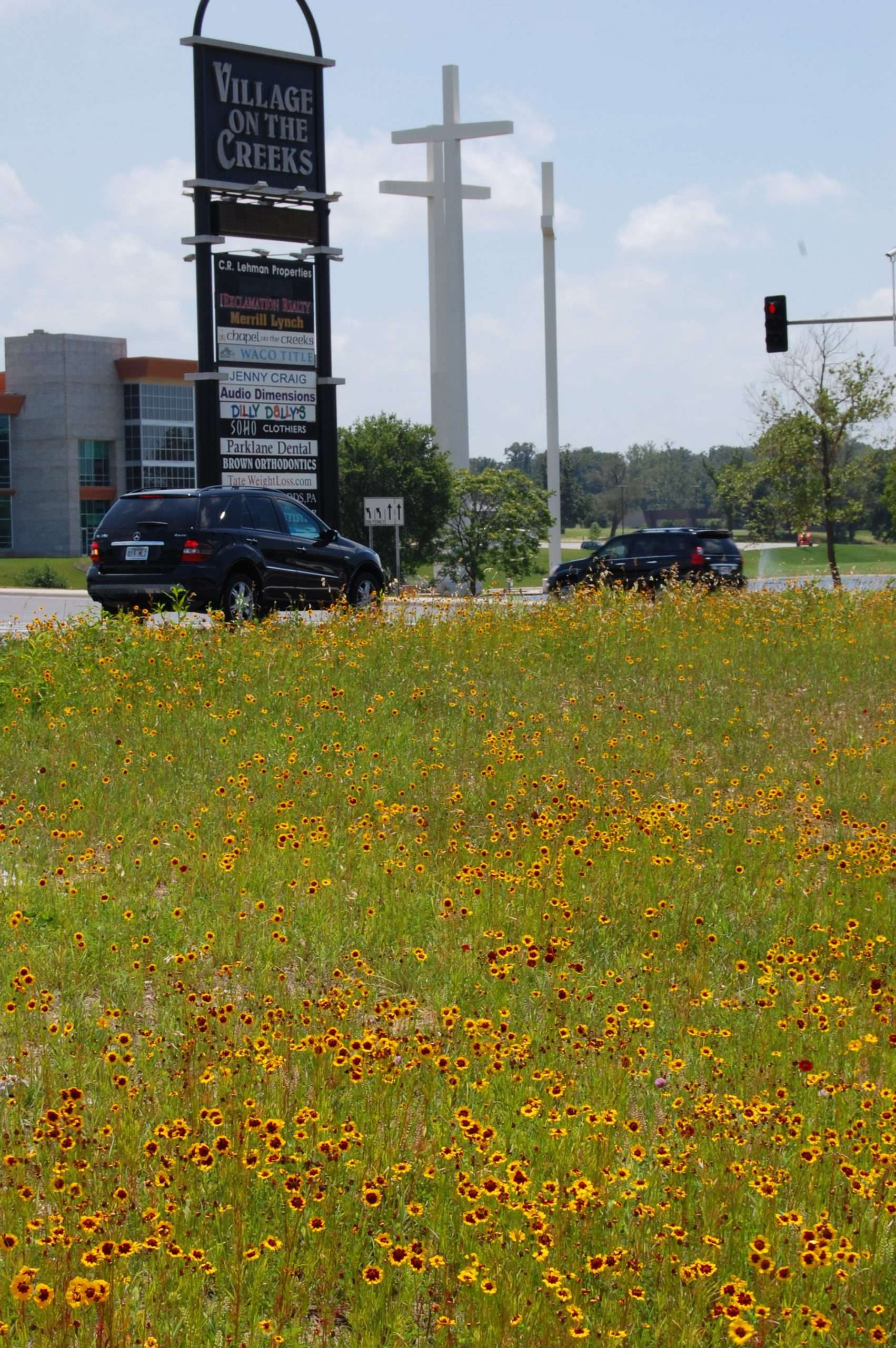
It is not advisable to weed your seeded areas until the seedlings are well-rooted. It is tempting to think you are weeding the right plants, only to discover that many wildflowers and grasses look like unwanted weeds at early stages. This is why the preparation is important to give your purchased seed advantage over weeds that preceded them in your native soil. Avoid fertilizing, as wildflowers thrive in low-nutrient conditions. With proper care, you’ll soon have a vibrant patch of wildflowers attracting bees, butterflies, and other pollinators. Annual flowers will bloom the first growing season and may dominate but the perennial species are putting down roots and will join the procession later. Be diligent to let those annuals go to seed (turn brown) so the seeds hit the soil and you will see them again next year.
WHEN TO SOW YOUR SEED. Sow your seed when your site is ready. This is for native seed mixes. These are ones that have the word NATIVE in the title OR have the region in the title (ie Northeast, Eastern, Western, etc) Winter, spring, summer (plan to irrigate) or fall are good times to get started. If your seed mix is not strictly natives then it is best to sow it in the spring months (late February-late May).
HOW TO WIN THE SUPPORT OF ALTERNATIVE LANDSCAPING WITH WILDFLOWERS. Signage in public, neighborhood, or urban area can create good public relations tools while the project is in process.

Holland Wildflower Farm began in 1986 when we put our botanical and wildlife research backgrounds to practice at our first home.
info@hollandwildflowerfarm.com
479-283-6709
290 Oneal Ln Elkins, AR 72727